.png)


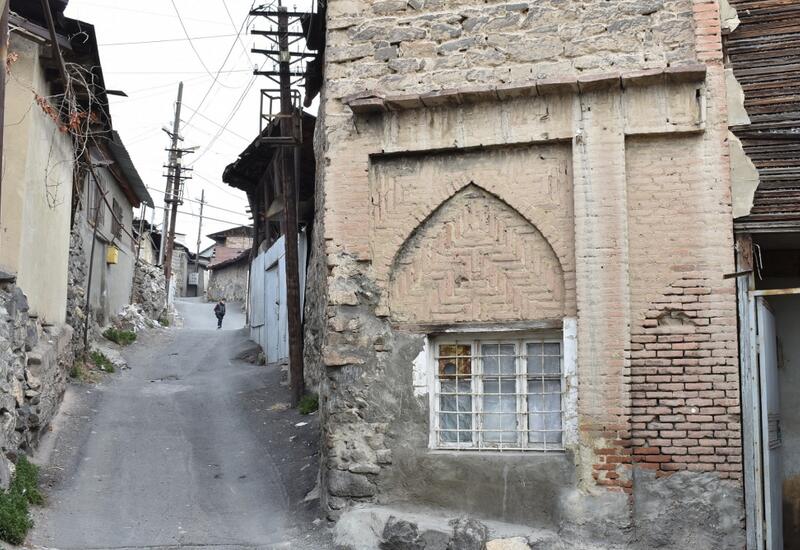
The main neighborhoods of the historic city of Yerevan were Old City (Eski Şəhər), Demirbulag, and Tepebashi. Until the beginning of the 20th century, Azerbaijanis lived in these neighborhoods.
The Tepebashi neighborhood was located on a hill between the Zangi River and the Shahar neighborhood, which is why it was called Tepebashi (“top of the hill”). The neighborhood was situated in the western part of the city. Numerous gardens separated the Old City neighborhood from Tepebashi.
In general, during the 18th century and the first quarter of the 19th century, during the period of the khanates, Yerevan was a city surrounded by abundant greenery. The Khan’s Garden, which belonged to Yerevan Khan Huseyngulu Khan, was also located in the Tepebashi neighborhood.
One of Yerevan’s most famous mosques, the Huseynali Khan Mosque, also known as the Blue Mosque, was located in Tepebashi. The Haji Imamverdi Mosque was also situated there. Tepebashi was home to caravanserais, bathhouses, and shops, and it was rich in architectural monuments. The houses of influential figures in Yerevan were also located in Tepebashi. For all these reasons, Tepebashi stood out from the city’s other neighborhoods.
The Tepebashi neighborhood remains the sole surviving evidence that reflects the history of the city of Yerevan and Azerbaijani cultural heritage today. Historically inhabited by Azerbaijanis, the Tepebashi neighborhood, which has now been reduced to an area of approximately 16 hectares, is currently at risk of being destroyed and erased from the face of the Earth.
The resettlement of Armenians in the Tepebashi area of the city began after 1828, as part of Tsarist Russia’s policy of mass resettlement of Armenians from neighboring countries to the South Caucasus. The Armenians who arrived were subsequently settled on plots of land allocated to them in an area known as the Khan’s Garden, located in Tepebashi.
Today, it is unacceptable for the international community to turn a blind eye to the destruction of such a historical monument as Tepebashi, because this monument is part of the world’s cultural heritage.
At present, the Tepebashi neighborhood is facing the threat of complete destruction. Azerbaijani civil society has appealed to UNESCO on the matter. The appeal, signed by 102 prominent scholars and public figures, called on UNESCO to take the necessary steps to prevent the destruction of Azerbaijan’s rich historical and cultural heritage. Today, instead of preserving its distinctive national character, the Tepebashi neighborhood has been reduced to ruins, according to the text. The world should not remain silent about this.