.png)


The historic summit held in Washington last August is regarded as the beginning of a new stage in efforts to establish long-term peace in the South Caucasus
The historic summit held in Washington last August is regarded as the beginning of a new stage in efforts to establish long-term peace in the South Caucasus. The documents adopted and statements made during the summit created an important political foundation for transitioning from years of confrontation in Azerbaijan-Armenia relations to peace and cooperation.
Subsequent developments, the steps taken by Azerbaijan, and efforts to open communications in the region demonstrated that this approach was not limited to statements alone.
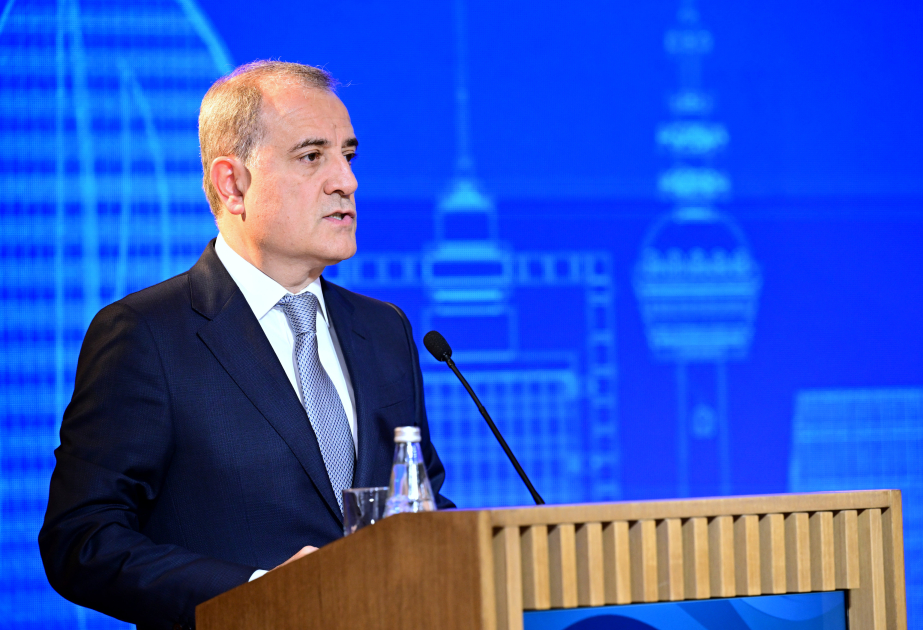
Speaking to journalists in an interview the previous day, Foreign Minister Jeyhun Bayramov addressed the peace process and said:
“The historic Washington summit, the very important historic documents and decisions adopted there, and the messages conveyed — during the historic Washington summit, Mr. President stated in his speech at the White House that peace had already been achieved for Azerbaijan. Subsequent events also showed that Azerbaijan’s conduct, namely a number of unilateral steps it took, demonstrated this. As part of the Armenia-Azerbaijan normalization process, beginning in October, restrictions on the transit of cargo to Armenia and from Armenia into our country were lifted. Subsequently, Azerbaijan began exporting petroleum products to Armenia, and efforts are currently underway to expand that range, along with important steps in a number of other areas”.
This also includes the holding of a referendum in Armenia and the adoption of a new constitution. Naturally, the timing of this is a matter of Armenia’s internal processes. We have also heard various messages from the Armenian leadership in the public sphere in this regard. At the beginning of this year, there were such statements in Armenia ahead of the parliamentary elections. However, now, following the elections, the Armenian prime minister has once again stated in his speeches that, by the end of the year, the text of the draft constitution will be made public, followed by the holding of a referendum.”
The minister also noted that the issues reflected in the joint statement adopted last year, as well as the statements made by the Armenian side, are evident, and said:
“At a certain stage of the negotiations on the peace agreement, it was expected that the process would be completed in August. However, taking concrete steps, amending the constitution, and adopting a new constitution were required. Against this backdrop, we heard the position that both the Azerbaijani public and the international community had been expecting to hear in this process.”
Nevertheless, a number of obligations that Armenia must fulfill remain essential for the signing of a peace agreement. The Azerbaijani side believes that eliminating territorial claims against Azerbaijan from Armenia’s constitution is an important condition for ensuring that the peace agreement is sustainable and legally reliable.
Statements made both ahead of and following the parliamentary elections in Armenia have created certain expectations regarding the continuation of the process. Messages from the Armenian leadership concerning the constitutional process by the end of the year are being closely monitored in terms of fulfilling the requirements put forward by Azerbaijan.
According to Jeyhun Bayramov, fulfilling the obligations that have been set makes it possible to move to a new stage. Azerbaijan’s position remains unchanged, and opportunities exist for the signing of a peace agreement.